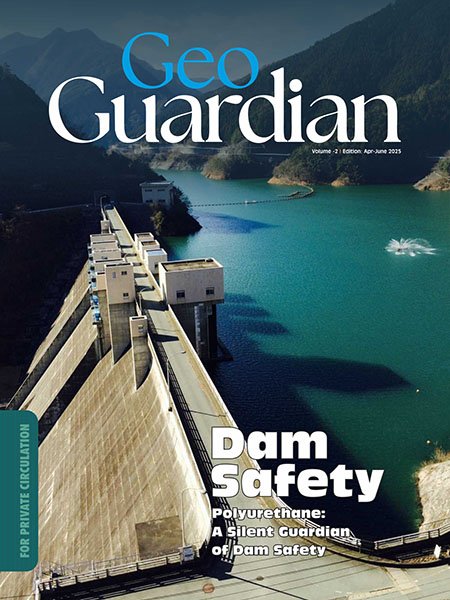
Welcome to an issue dedicated to exploring the bedrock of our built environment: geotechnical engineering and dam safety. We have curated a collection of articles that illuminate the critical role these disciplines play in shaping our world, from the ground up to the towering structures that manage our water resources.
Get Started Today
This magazine is a dedicated platform for professionals and enthusiasts in the fields of geotechnical engineering, dam safety, and infrastructure innovation. Through in-depth articles, expert insights, and coverage of the latest technologies, we aim to inform, inspire, and connect engineers, project managers, and decision-makers who are shaping the future of critical infrastructure worldwide. From groundbreaking advances in foundation design to evolving global standards in dam maintenance, our mission is to spotlight the innovations and challenges defining this essential industry.
Dams are complex, high-stakes structures with the potential for significant downstream impact. Ensuring their safety requires navigating an intricate web of structural, operational, and environmental risks.
Structurally, dams face constant pressures. Cracking, differential settlement, and foundation instability can escalate from localized issues to systemic failures. Seepage and internal erosion (piping) silently undermine the dam’s integrity, often going unnoticed until visible symptoms emerge—sometimes too late to act.
Operationally, human and systemic factors amplify risks. Inadequate maintenance, underfunded inspection programs, or poor emergency response planning can turn minor issues into major crises.
Adding to these challenges are environmental risks. Dam failures can devastate ecosystems, displace communities, and cause long-term habitat loss. Balancing hydropower generation, water supply, and flood control with ecological stewardship is becoming increasingly complex.
As the challenges facing dams evolve, so too do the standards governing their care. Global regulatory bodies are modernizing dam maintenance protocols to address contemporary risks.
The trend is clear: reactive maintenance is giving way to proactive, data-informed strategies. Advanced monitoring systems now collect continuous data on seepage rates, structural movement, and environmental factors. Remote sensing tools and non-destructive testing methods—such as ground-penetrating radar and ultrasonic testing—provide deeper insights into dam health without invasive measures.
Lifecycle management is at the core of these new standards. The U.S. Federal Energy Regulatory Commission (FERC), Japan’s Ministry of Land, Infrastructure, Transport and Tourism (MLIT), and Canadian provincial agencies are placing greater emphasis on scheduled risk assessments, climate resilience, and emergency action plans.
The industry is also focusing on regulatory harmonization. Global projects increasingly reference international guidelines, such as ICOLD’s (International Commission on Large Dams) bulletins, to ensure consistency in design, inspection, and rehabilitation.
Technology is revolutionizing dam safety across every phase—from inspection to operation and maintenance. AI, IoT, and drones are enabling dam owners to predict problems before they surface.
AI-powered analytics are transforming dam monitoring by analyzing historical and real-time data to detect early signs of distress. Algorithms sift through data streams from embedded sensors to flag anomalies in seepage, stress, or deformation patterns.
IoT-enabled sensors embedded in dams feed live data on pore pressure, tilt, and seismic activity to centralized dashboards, creating a real-time digital twin of the structure. This virtual model helps engineers and operators visualize how the dam is performing under varying conditions.
Additionally, sustainable materials and practices are shaping the future of dam construction and retrofitting. Low-carbon concrete mixes, bio-based materials, and energy-efficient spillway systems are reducing the environmental impact of dams.
Grouting—a core tool for improving ground stability—is undergoing a technological renaissance. Engineers now have a broader palette of grouting options to address specific site challenges with greater precision and speed.
Chemical grouts, such as polyurethane and sodium silicate, are enabling soil stabilization in difficult conditions where traditional cementitious grouts fall short. Jet grouting, capable of creating high-strength soil-cement columns deep below the surface, is providing new opportunities for foundation enhancement and seepage control.
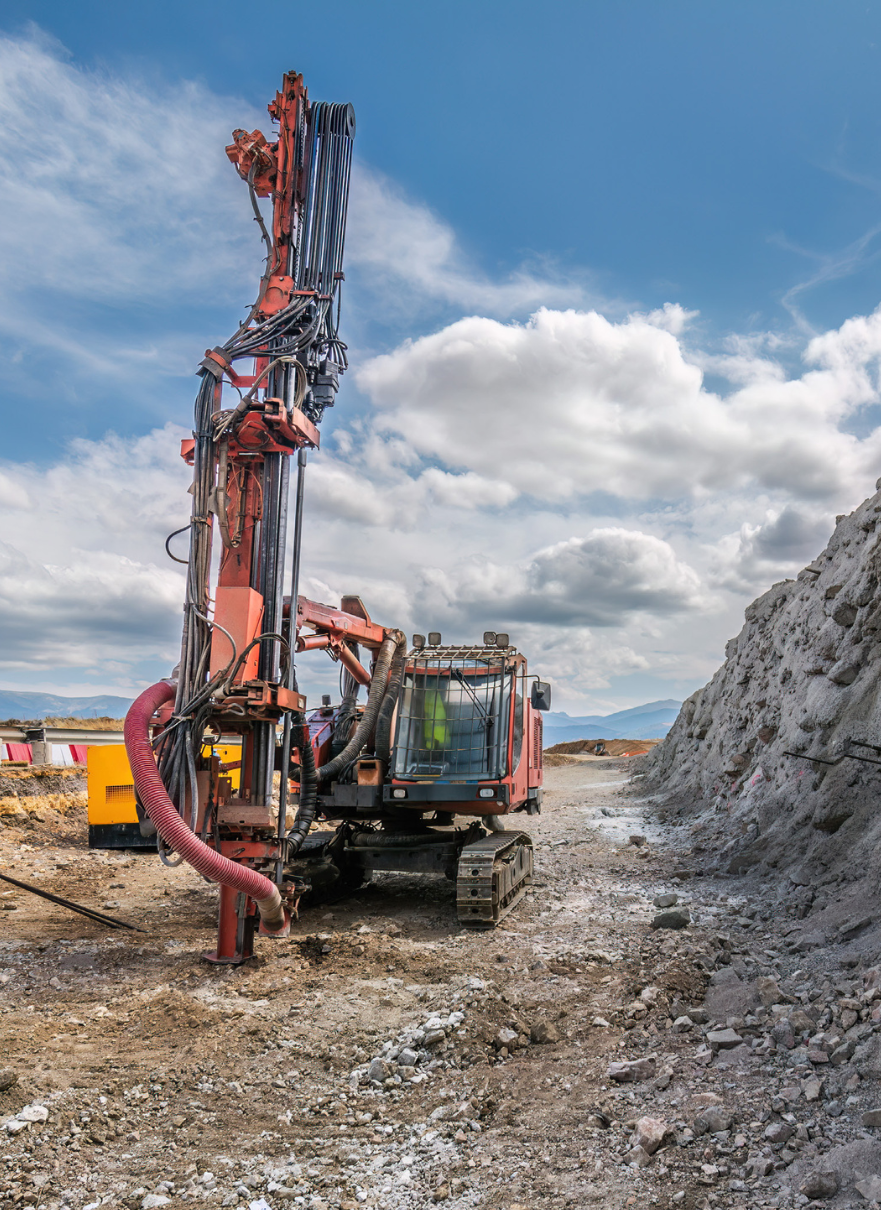
Automation is streamlining the grouting process. Computer-controlled grouting rigs reduce variability in pressure, flow, and mix ratios, ensuring consistent results and improving project efficiency. Sensors embedded in injection points monitor real-time grout spread, giving engineers greater control over outcomes while reducing material waste.
These advancements are particularly vital for projects in urban environments, where tight schedules, space constraints, and sensitive surroundings demand reliable, high-precision solutions. Grouting is no longer just a reinforcement tool—it’s a strategic enabler for safer, more resilient infrastructure.
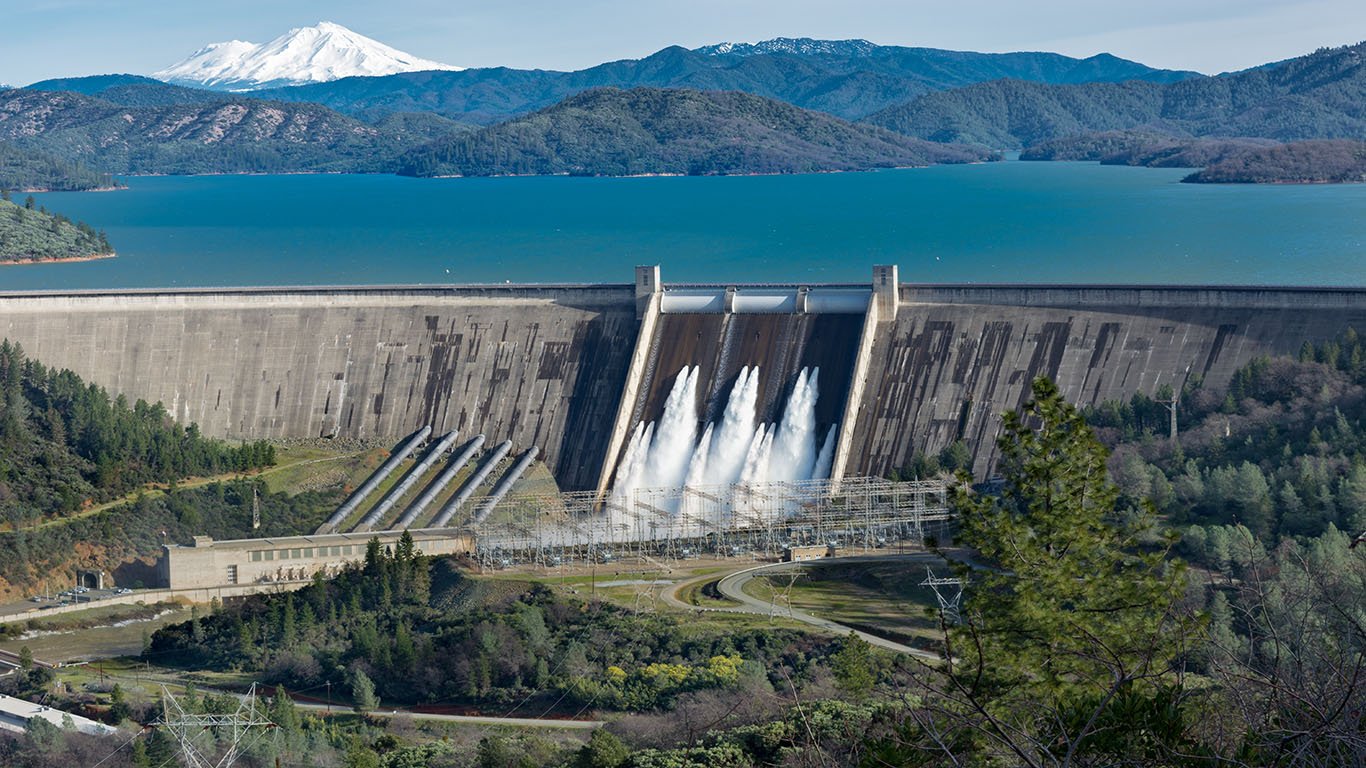
Many of the world’s dams were built more than 50 years ago and are nearing or exceeding their designed operational lifespan. Aging structures are increasingly vulnerable to seepage, cracking, and settlement, compounded by the effects of climate-driven hydrological shifts.
Grouting remains a frontline solution for rehabilitating these aging assets. Polyurethane and epoxy grouting techniques seal leaks and stabilize joints, addressing seepage paths that could otherwise compromise foundations. Jet grouting strengthens foundation soils, while compaction grouting densifies loose zones, restoring structural capacity.
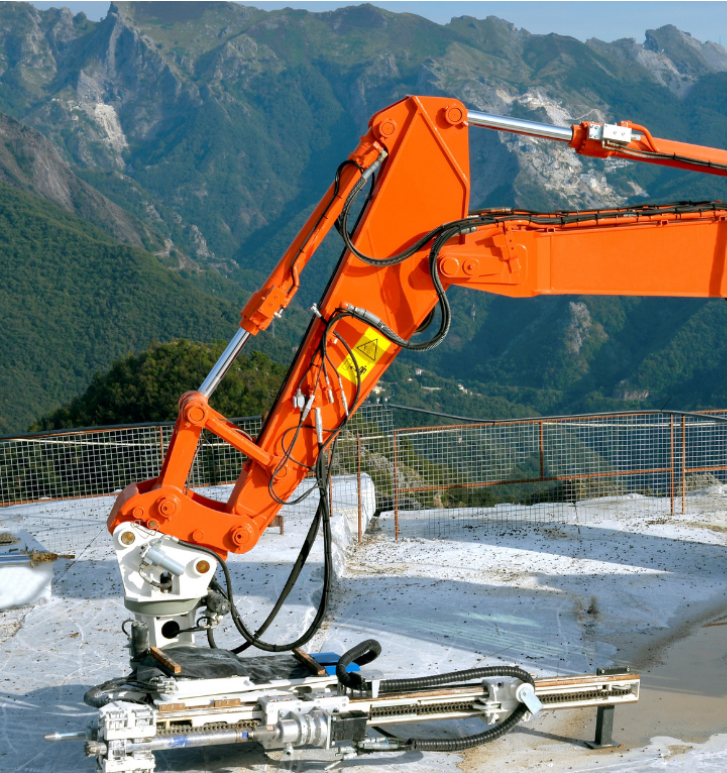
Robotic and automated grouting systems now allow for precise treatment in hard-to-reach or hazardous areas. These systems reduce the need for human entry into confined spaces, improving safety and speeding up remediation efforts.
Complementary measures—such as installing geomembrane liners, constructing cutoff walls, and upgrading drainage systems—further bolster dam performance. When applied as part of a comprehensive maintenance and risk management strategy, these techniques can extend a dam’s service life by decades.
As climate pressures mount and infrastructure ages, these solutions are not just technical options—they are necessities for maintaining water security and protecting downstream populations.